
Prepared by: Douri’s Empowering Creative Minds team
Edited by: Jang Kapgen
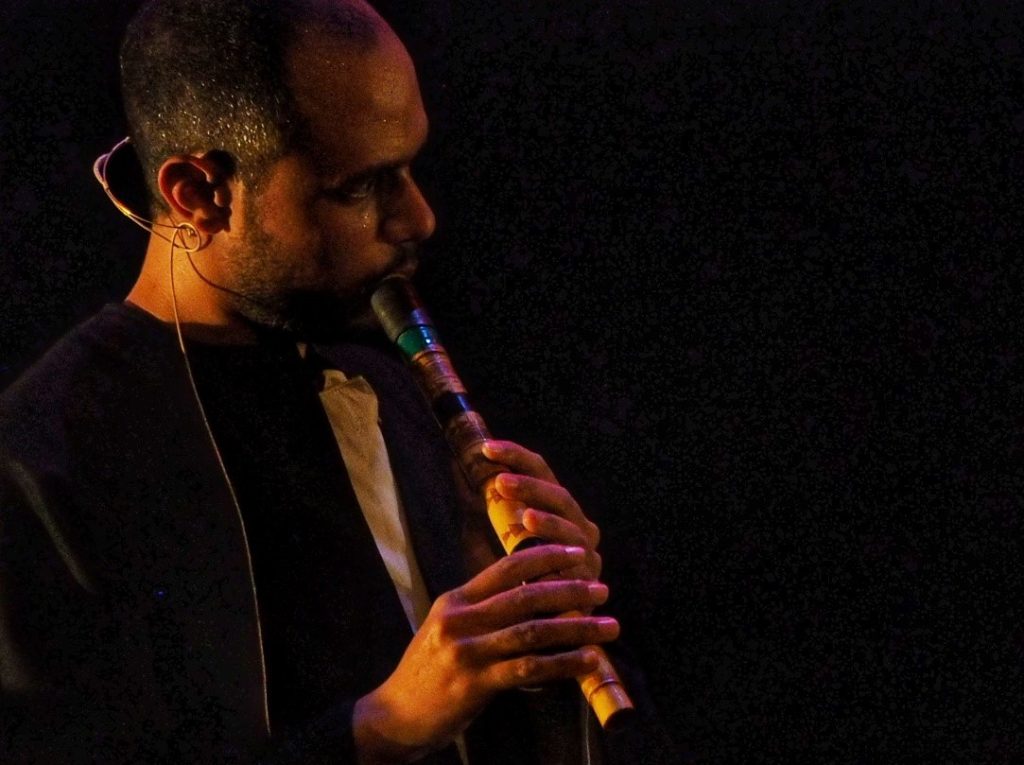
As an avid Kawala player, Adham Al-Sayyad collaborates with talents from diverse backgrounds to let music speak “where words fall short.” The Luxembourgish-based musician, composer and educator is trained in traditional Egyptian music, which he now blends into diverse cross-cultural projects.To foster a world-music community in Luxembourg, Al-Sayyad founded BELONG. The project organizes workshops, facilitates cross-cultural collaborations and organizes world-music concerts – as he explains, to provide “a sense of belonging to the multicultural communities of Luxembourg and the region by embracing their cultural heritage.”
As part of the Empowering Creative Mindsproject, Douri asbl invited Al-Sayyad for an interview to speak about the beauty of the Kawala, multicultural audiences, and music as space for healing.
Douri: What key milestones have shaped your creative journey from the beginning until now?
Adham Al-Sayyad: Key milestones include my early immersion in Egyptian Baladi and Sufi music, my mentorship under Master Ahmed El-Arnab starting in 2010, and my relocation to Luxembourg in 2017. Founding the BELONG initiative in 2022 and launching Luxembourg’s first world-music festival in 2024 were pivotal moments in expanding my impact and bridging global musical traditions.
In what ways have your upbringing and personal experiences influenced your artistic direction?
Growing up in Tanta, Egypt, surrounded by traditional music forms like Sufi and Baladi, deeply influenced my musical roots. This cultural heritage inspired me to pursue the Kawala and shaped my dedication to preserve and innovate within traditional Egyptian music.
Have challenging experiences—personal or societal—impacted your creative process?
Yes. Navigating cultural identity as an immigrant and adapting to new societies has strengthened my resolve to use music as a means of connection and resilience. These transitions often feed into my creative output, especially in fusion projects that cross borders and traditions.
How has your creative practice helped you process or move through difficult experiences?
Performing and teaching music has always been healing for me. The Kawala’s meditative tone offers a direct channel for processing emotions and grounding myself through sound and breath.
Do you believe art can express emotions and experiences that are hard to articulate in words?
Absolutely. The voice of the Kawala, for instance, conveys a spiritual and emotional depth that transcends language. Music often speaks where words fall short.
What are some challenges artists face when expressing personal or traumatic experiences through their work?
One major challenge is vulnerability – exposing personal truths to public interpretation. There’s also the risk of misrepresentation or cultural misunderstanding, especially when working across borders.
Has your approach to expressing difficult experiences changed over time?
Yes. Initially, I expressed pain and emotion intuitively through performance. Over time, I’ve become more intentional – designing workshops and collaborative spaces where collective healing can emerge through sound.
How do you interpret the term “vulnerable artist” in your experience?
To me, it means remaining open to emotional honesty in my music and creating safe spaces where others can do the same. Vulnerability is a strength in both performance and leadership.
What role have collaboration and partnerships played in your artistic journey?
Collaboration is central to my practice. Projects like Zaafaran (with KG Westman) and ensembles like BELONGers exemplify how cross-cultural partnerships can generate rich new expressions and foster unity.
How has your community shaped how you address themes like hardship or trauma?
In Luxembourg, I’ve built community through BELONG, which brings together diverse voices. This collective has shaped how I explore themes of identity, migration, and belonging in an inclusive and uplifting way.
What does it mean when your art resonates with others? Do you seek this intentionally?
It’s deeply validating when my work resonates. I do seek this connection intentionally – designing experiences that invite empathy and shared emotion.
How does local culture influence how you express trauma or how audiences receive your work?
In multicultural Luxembourg, audiences are open but diverse. I tailor my work to bridge cultural gaps, using storytelling and context to help audiences connect emotionally to Egyptian music traditions.
How do you see institutions shaping the creative landscape?
Institutions can be powerful enablers of artistic expression, especially when they support diverse and underrepresented voices. However, they must be flexible and inclusive to truly serve artists.
Does being part of these circles affect how artists value their work?
Yes. Recognition from institutions can affirm the value of one’s work, but it’s essential not to depend solely on institutional validation. True value often comes from community engagement and self-expression.
Would stepping away from institutions be a personal decision?
Yes, it’s a personal decision. But stepping away can limit access to resources. For marginalized artists, institutions must work harder to provide inclusive access and reduce barriers.
What support is essential to sustain your practice and engagement?
Sustainable funding, venue access, and administrative support are crucial. Networks that foster collaboration and learning are equally vital for growth and outreach.
What institutional support would make a meaningful difference?
Long-term investment in artist-led initiatives, more platforms for non-Western traditions, and support for educational outreach would be transformative.
Have you faced difficulties in accessing support?
Yes, especially in the early stages of building BELONG. Lack of awareness about world-music’s value and bureaucratic hurdles often limit access to funding and visibility.
Any messages for arts-supporting organizations?
Trust artists as cultural leaders. Listen to grassroots voices, invest in long-term capacity-building, and support initiatives that foster cultural dialogue and inclusion.
Do you incorporate meditation or reflection into your creative process?
Yes. Playing the Kawala is in itself a meditative act. I also reflect deeply before composing or collaborating, allowing intuition and emotion to guide the creative flow.
What tools or techniques help explore complex experiences in your art?
Improvisation is key – it lets emotion lead. I also use oral storytelling and interactive workshops to involve others in shared exploration. I’d gladly teach these in public or educational settings.
Any workshops or resources you recommend?
Workshops in world-music fusion and oral tradition are powerful. BELONG masterclasses have proven highly effective, and I hope more institutions replicate similar formats.
What is the role of tech and social media in your work?
Social media has expanded the reach of my music globally. Platforms like YouTube and Spotify allow me to share live sessions and recordings, making world-music more accessible.
What are your future artistic aspirations?
I aim to expand BELONG’s reach internationally, foster more intercultural recordings, and continue educating new generations in the spiritual and artistic richness of Egyptian music.
Thank you Adham Al-Sayyad for this interview.
