
An interview with Tarek El-Nabhan
Prepared by: Douri’s Empowering Creative Minds team
Edited by: Jang Kapgen
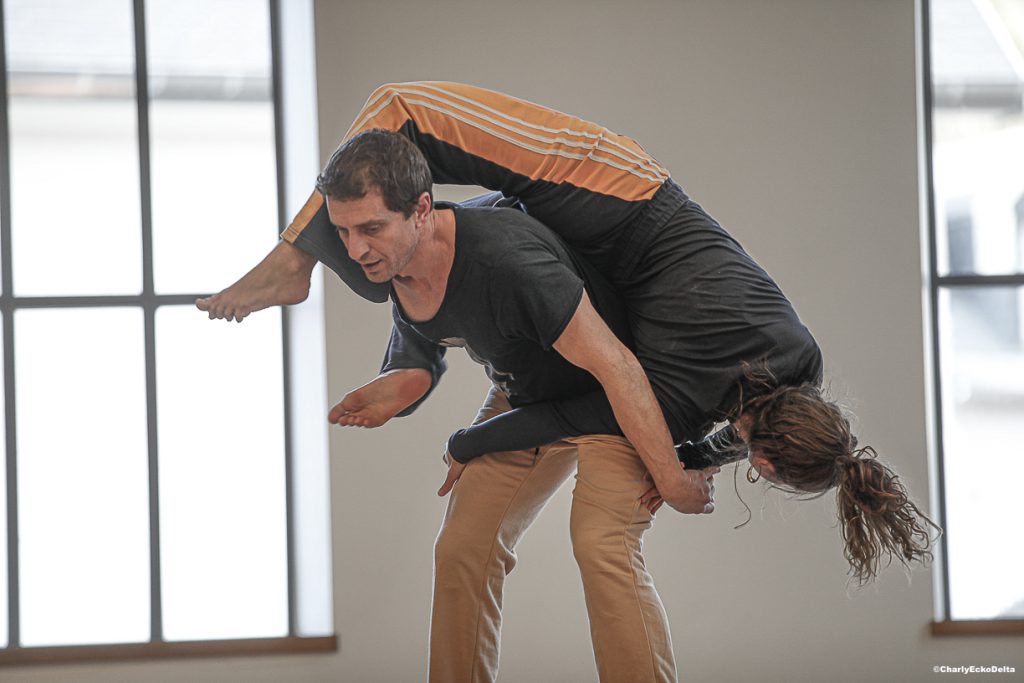
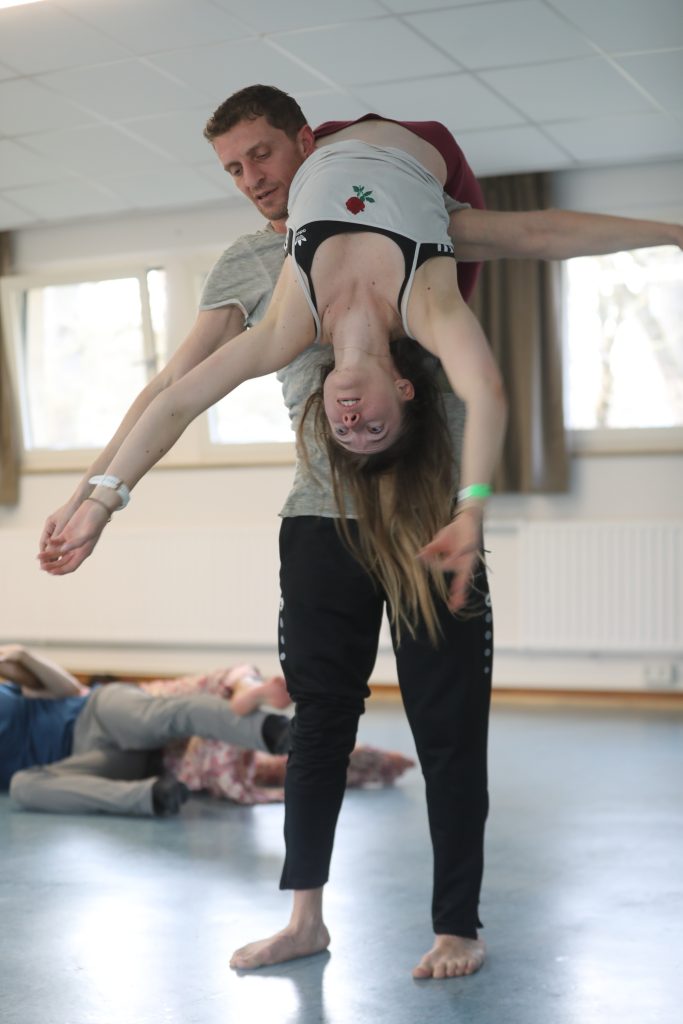
Tarek El-Nabhan is passionate about the fluidity of movement and the art of connection. After experimenting with different types of Western dance, he fell in love with Contact Improvisation dance (CI) and became dedicated to it. He refined his craft by participating in numerous CI workshops and festivals across Europe. His interests extend to other body movement styles, like playfight, contemporary dance, Tai Chi, dance science and acroyoga.
El-Nabhan had previously worked as a cultural event coordinator for the Syrian Ministry of Culture. Since beginning 2016, he has been living in Luxembourg, continuing his professional ambitions in the Luxembourgish cultural field. In 2022 he started giving CI classes in Luxembourg and organising workshops bringing people and dancers together.
As part of the Empowering Creative Minds project, Douri asbl spoke to El-Nabhan about her the joy of connecting through dance as well as institutional inclusivity.
What key milestones have shaped your creative journey from the beginning until now?
One of the first major influences on my creative journey was growing up in Syria, where I was immersed in a rich cultural atmosphere and worked in the cultural field. Then, working in the same field when I arrived in Luxembourg. I always felt the desire for more fluidity and freedom in expression.
The second pivotal moment came when I moved to Luxembourg in 2016. It was a time of transition and uncertainty, but also a powerful invitation to reimagine myself. It was here that I discovered Contact Improvisation (CI) – a dance form that resonated deeply with me because of its emphasis on connection, spontaneity, and presence.
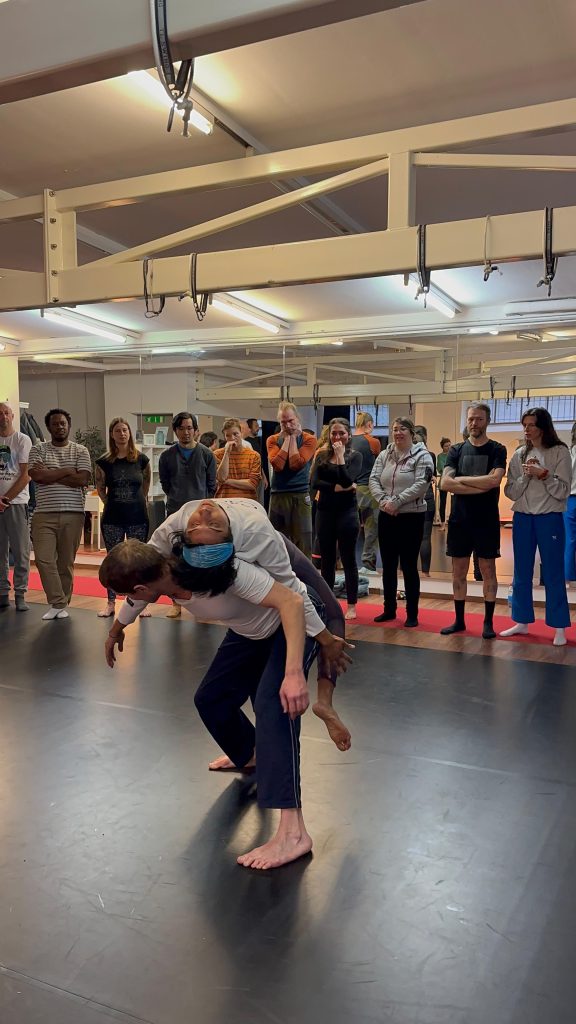
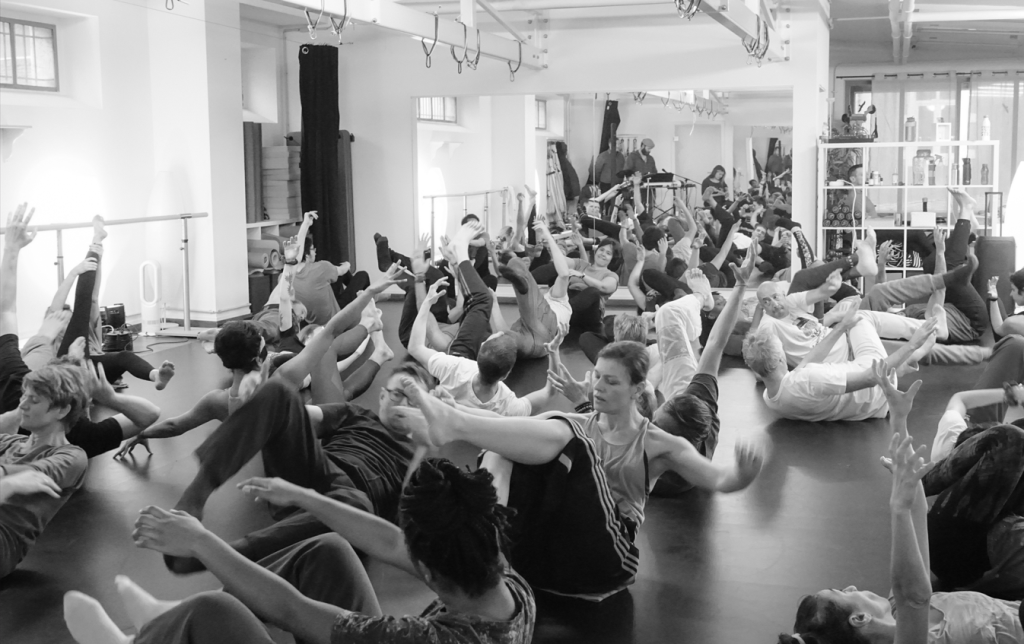
Another milestone has been the shift from being a student of CI to becoming a teacher and organizer. Since 2022, I’ve been creating spaces – jams, classes, and performances – that invite others into this journey. Watching the community grow and witnessing people find healing and joy through movement has become central to my creative purpose.
In what ways have your upbringing and personal experiences influenced your artistic direction?
Growing up in Syria, I was surrounded by a vibrant culture of music, storytelling, and traditional dance. There was always a strong sense of community and shared expression. This collective spirit stayed with me. Even when life circumstances changed dramatically and I became a migrant in Europe, I carried that sense of collective creation and cultural identity with me.
In Luxembourg, being in a multicultural environment, I became increasingly aware of how movement could transcend language and cultural barriers. CI became not only a dance form but also a way to reconnect with myself and with others in an unfamiliar world.
Have you found that challenging experiences – whether personal or societal – have impacted your creative process or influenced your artistic path?
Absolutely. Leaving my home country was one of the most challenging and transformative experiences in my life. There was grief, loss, uncertainty – but also space for reinvention. Contact Improvisation gave me a container to hold and explore these emotions. It taught me how to fall safely, to trust again, to be held, and to hold others. These principles aren't just dance techniques – they’re metaphors for resilience and healing.
In a broader sense, societal challenges – like displacement, cultural isolation, or even the fast pace of modern life – have all deepened my commitment to creating spaces of slowness, listening, and real connection through movement.
How has your creative practice helped you process or move through difficult experiences?
In CI, the body speaks what the mind cannot always articulate. The experience of touch, of being met or resisted, of falling and recovering – it mirrors emotional realities. Dance has allowed me to process feelings I didn’t yet have words for.
In improvisation, there's no need for perfection or planning. This acceptance of the “now” has been healing. It allows grief, joy, confusion, and trust to co-exist. The practice teaches me to stay with discomfort, breathe into uncertainty, and remain open to connection.
Do you believe that art can express emotions and experiences that are hard to articulate in words?
Without question. I often say: “When words fall short, movement speaks.” In CI, we communicate through weight, timing, pressure, and presence. A simple shared breath or the meeting of hands can say more than a thousand words.
There is honesty in the body that often surpasses what language can carry. Especially for people dealing with trauma or cultural displacement, movement can offer a safe and profound way to process and express without needing to explain.
What are some challenges artists face when expressing personal or traumatic experiences through their work?
One of the biggest challenges is exposure – putting something raw and intimate into a space where others can see, judge, or misunderstand it. For many artists, especially those from vulnerable backgrounds or with complex histories, it can feel like walking a tightrope between honesty and self-protection.
Another challenge is emotional fatigue. Processing trauma through art requires energy, and when the art becomes your work, you also have to manage how much of yourself you give. The balance between vulnerability and sustainability is delicate.
Has your approach to expressing painful or difficult experiences changed over time?
Yes, very much. At first, I didn’t know how to express pain through movement – I was still living in it. Over time, I’ve learned to let the body speak without forcing meaning. CI taught me to be present with what arises, instead of controlling the story.
Now, I don’t aim to represent pain. I aim to move with it, to give it space, to meet it in dialogue. Sometimes that leads to beauty, sometimes to chaos – but both are valid. The change has been from performing emotion to inhabiting it authentically.
How do you interpret the term “vulnerable artist” in the context of your own experience?
To me, being a vulnerable artist means being willing to show up without all the answers. It means offering your presence, your truth, and your questions – not just your polished creations.
As someone who left home, started over, and is constantly dancing between cultures and languages, vulnerability is part of my life and my art. I don’t see it as a weakness. I see it as a doorway to connection and transformation.
What role have collaboration and partnerships played in your artistic journey?
Collaboration is at the core of my work. CI itself is a collaborative practice – it doesn’t exist without the other. I’ve had the joy of dancing and co-creating with people from many backgrounds: dancers, musicians, visual artists, theater-makers. These collaborations often lead to unexpected synergies.
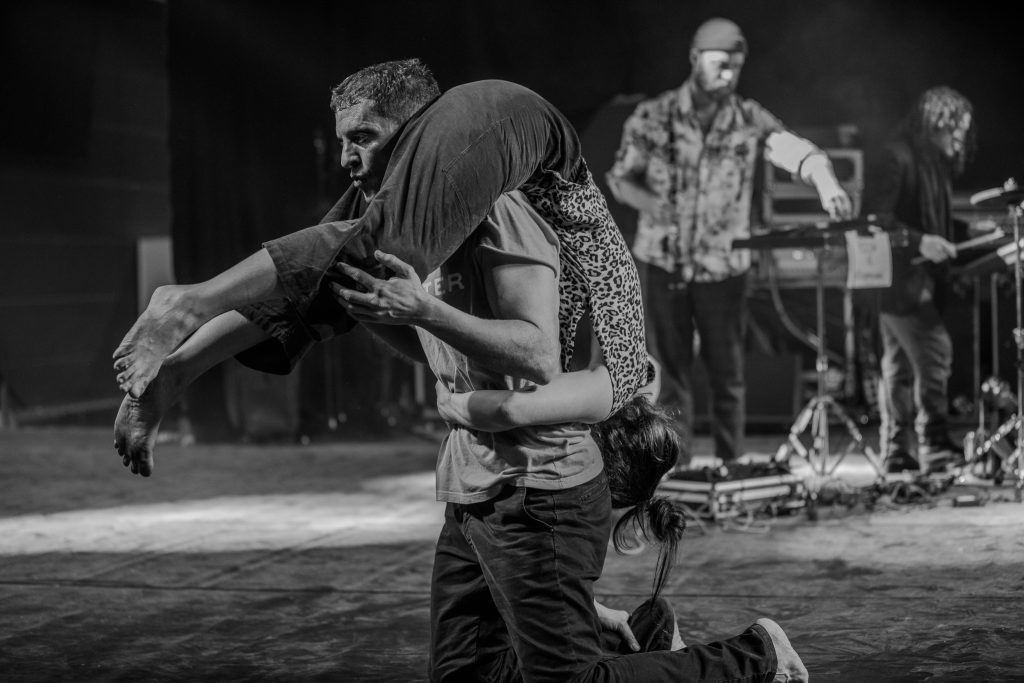
In Luxembourg, I’ve worked closely with local and international artists to organize performances and workshops. My collaborations often include live musicians during jams, interdisciplinary artists in performances, and passionate amateurs who bring their own creativity and vulnerability into the space.
Officially, I collaborated with several institutions in Luxembourg, such as Oeuvre Nationale de Secours Grande-Duchesse Charlotte, Muse ASBL, CLAE ASBL, CELL ASBL, MUDAM Luxembourg, UNI Luxembourg.
How has your relationship – or lack of connection – with your community shaped how you address themes such as hardship or trauma in your work?
When I first arrived in Luxembourg, I felt the need to interact with others. That made me crave spaces where I could feel sociable and held. It’s part of why I became so committed to creating community through dance.
Now, my art reflects this shift: from scratch to interconnection. CI gives us the tools to physically support one another. That physical support becomes symbolic – it teaches us to lean, listen, and hold space for each other’s stories, even the hard ones.
What does it mean to you when your art resonates with or impacts others? Is this something you intentionally seek?
Yes, deeply. It’s why I do what I do. When I see someone step into a dance for the first time and leave feeling lighter, more connected, more seen – that’s the true impact of this work. It reminds us we are not alone.
I don’t seek “performance” in the traditional sense. I seek connection. If my work can help someone feel a bit more embodied, a bit more at home in themselves or with others, then that is success to me.
In your view, how does the local cultural or societal context influence how you express trauma, or how audiences receive your work?
Luxembourg is a multicultural place, and I see both opportunities and limitations in that. People are open-minded, but sometimes not yet familiar with somatic or improvisational forms like CI. This means I have to translate the experience – not with words, but by inviting them into the dance.
I find that audiences here are often surprised by the emotional depth that can come through non-verbal connection. It’s powerful to witness people from very different backgrounds find something shared in the experience, even without a shared language.
How do you see the role of institutions – such as theatres, publishers, galleries, or museums – in shaping the landscape of art and creativity?
Institutions have the power to either gatekeep or open doors. When they choose to support experimental, grassroots, or immigrant-led projects, they expand the cultural narrative. But when they stay safe or exclusive, they can unintentionally silence voices that are already marginalized.
Institutions should be bridges – not walls. They can offer resources, visibility, and legitimacy to artists who might otherwise be overlooked. Especially in a place like Luxembourg, which is still building its contemporary arts identity, institutions have a chance to be courageous and inclusive.
Do you think being part of these circles affects how artists view the value of their own work or their place in the field?
Yes, unfortunately. Many artists measure their worth by whether they’re supported or recognized by institutions. If you're not "inside," you might question your legitimacy, even if your work touches lives every day.
That’s why alternative spaces and self-organized initiatives are so important. They remind us that creativity doesn’t have to be validated from above. It lives in connection, courage, and authenticity.
Would you consider choosing to engage with or step away from these institutions a personal decision?
It’s deeply personal. Some artists find nourishment in institutional collaboration, while others feel confined by it. For me, I seek partnerships – but not dependence. I want to keep the freedom to create outside the system, even while building bridges to it.
For artists without access, it’s vital that institutions make the first move: reach out, listen, fund grassroots work, and stop requiring perfect proposals in perfect French. Inclusion means rethinking how access is structured.
What types of support do you consider essential for sustaining your artistic practice and expanding your social engagement?
- Access to affordable or free spaces for rehearsals, classes, and jams;
- Financial support – not only for performances but also for community-based and experimental work;
- Visibility and promotion, especially for underrepresented artists;
- Mentorship or peer exchange programs that nurture interdisciplinary dialogue and learning.
But most of all: trust. Trust from funders, institutions, and communities to allow the organic process of creation and connection.
What kind of institutional support would make a meaningful difference in your experience as an artist?
Support that sees the value of process, not just product. Many institutions focus only on finished performances. But the real work happens in the jam, the rehearsal, the moment someone enters the space for the first time.
Also: multilingual applications, flexible criteria, and ongoing partnerships – not just one-time events. This would allow projects like mine to grow roots and serve the community more deeply.
What barriers might prevent artists – especially those in vulnerable positions – from receiving the right kind of support?
Yes, definitely. Language barriers, unfamiliar funding systems, and a lack of networks can all be real obstacles – especially for migrants or emerging artists.
Often, the application processes are long, complex, and require a kind of institutional literacy that not everyone has. That can be discouraging. There’s also the unspoken pressure to “fit the mold” instead of expressing what you truly want to create.
Do you have any messages or recommendations you'd like to share with organizations or institutions that support the arts?
Yes: Listen more. Fund risk. Support process. Make space for the unfamiliar. Include people in your decision-making who reflect the diversity of the communities you say you want to reach.
Art doesn’t always come in the form of perfect proposals. Sometimes it comes through hands, breath, movement, and community. Find ways to meet it there.
Do you incorporate practices like meditation or other reflective tools into your creative process?
Yes. Presence is a vital part of CI, and I often use meditative or somatic practices before dance sessions – breathwork, body scans, or simple stillness – to invite people into awareness.
In teaching, I guide participants to listen inward before they move outward. The internal state matters. I also journal after jams, which helps me integrate the emotional and physical experiences of the dance.
What techniques or tools have you found most effective in exploring complex experiences through your art?
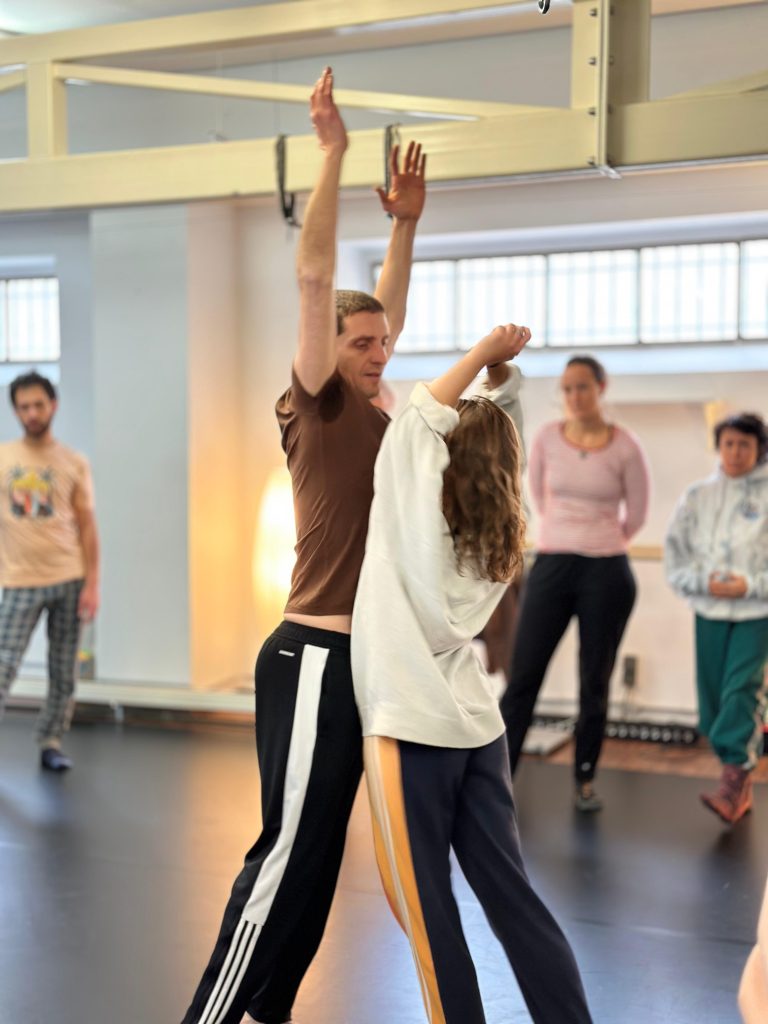
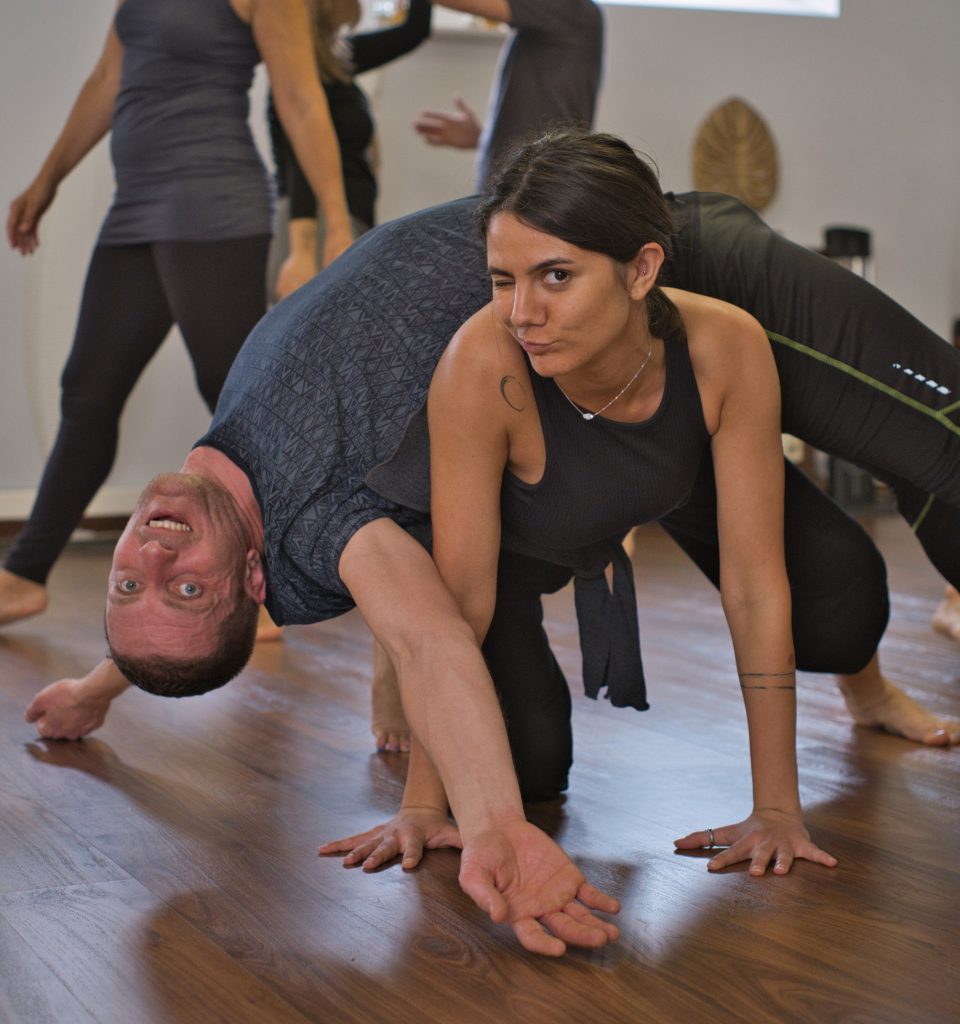
One powerful tool is shared weight and contact – a basic CI principle. When we give or receive weight in dance, we’re physically practicing trust, letting go, and support. These are metaphors for emotional experiences.Another is silent improvisation – dancing without music, where the only rhythm is breath and impulse. It teaches deep listening and inner awareness. These practices are easy to share, and they’re powerful for building community and trust.
Are there specific workshops or resources you think should be highlighted to help others develop and refine these techniques?
I recommend CI festivals or gatherings – like the ones in Italy, Germany, and the Netherlands – where people can immerse themselves and learn from others.
Locally, I believe we need more beginner-friendly spaces, inclusive jams, and interdisciplinary collaborations where people feel free to explore without pressure.
How do you view the role of technology and social media in sharing your work and expanding engagement with the issues you explore?
Social media has been essential for connecting with the community, especially in a small country like Luxembourg. It allows people to find the jam, hear about events, and get curious. It also helps build bridges with the wider CI world.
At the same time, technology can’t replace the lived, physical experience of dance. I use it as a doorway – but the real work happens in the body, in the room, in the touch.
What are your artistic aspirations for the future? Are there any current or upcoming projects you’re excited about?
Yes! One of my dreams is to develop a multidisciplinary Improvisation Festival in Luxembourg – a celebration of movement, music, visual art, and community. I envision performances, workshops, and open spaces for shared creation.
I also want to expand access to CI by offering sessions for schools, elderly communities, and people with diverse physical or emotional needs – bringing movement and connection to places that often don’t have them.
In the meantime, I’m continuing to grow the local CI scene with regular jams, collaborations, and inviting international teachers to share their expertise with the community.
Thank you Tarek El-Nabhan for this interview.
Conducted as part of the Empowering Creative Minds project, this interview offers just a glimpse into Tarek’s world.
You can learn about Contact Improvisation by visiting the Instragram page: @contactimprovisation.lu
The Empowering Creative Minds project is funded by the EU Creative Europe Programme, supporting cross-cultural collaboration and artistic growth across Europe.
