
An interview with Farshad Afsharimehr
Prepared by: Douri’s Empowering Creative minds team
Edited by: Jang Kapgen
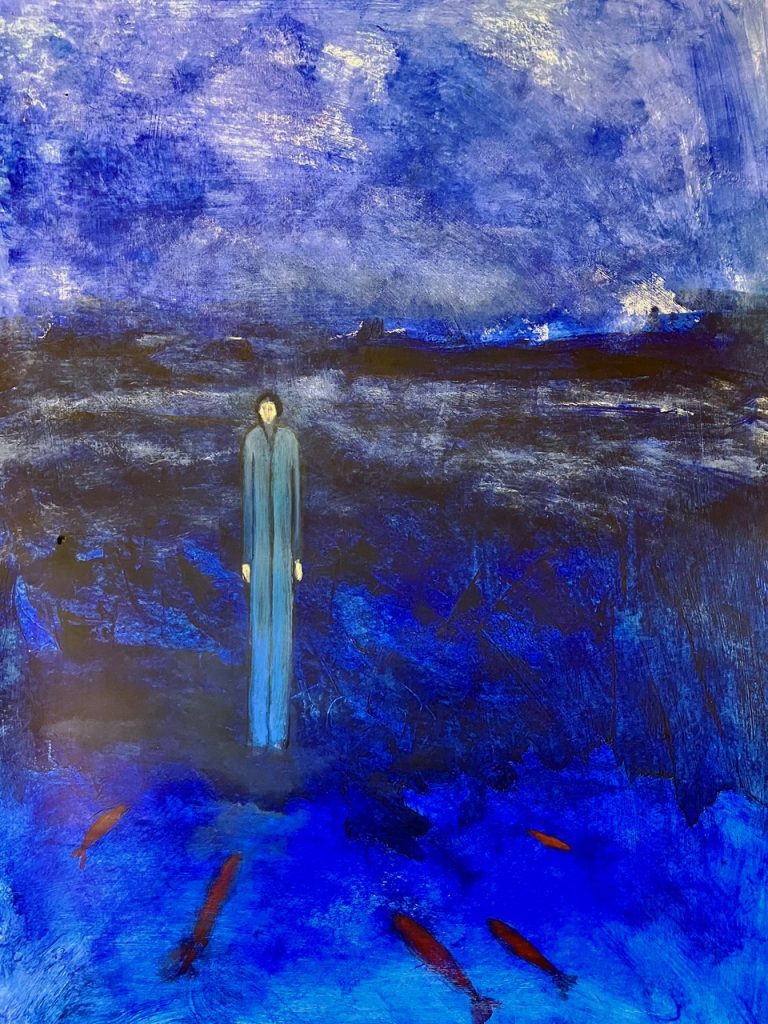
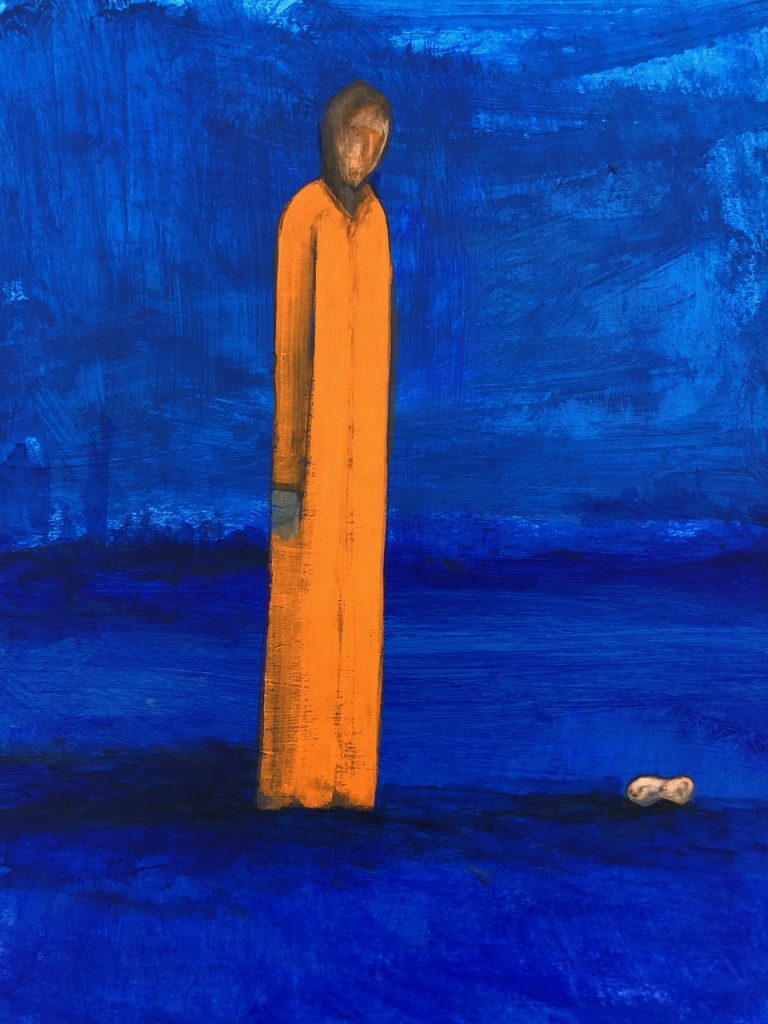
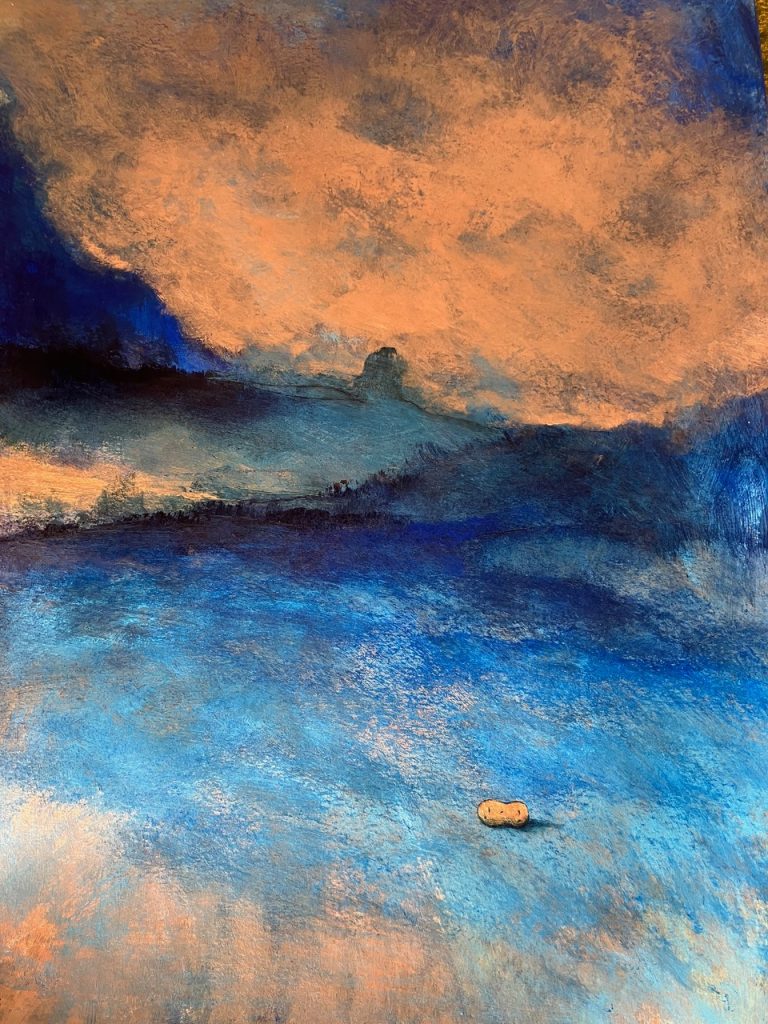
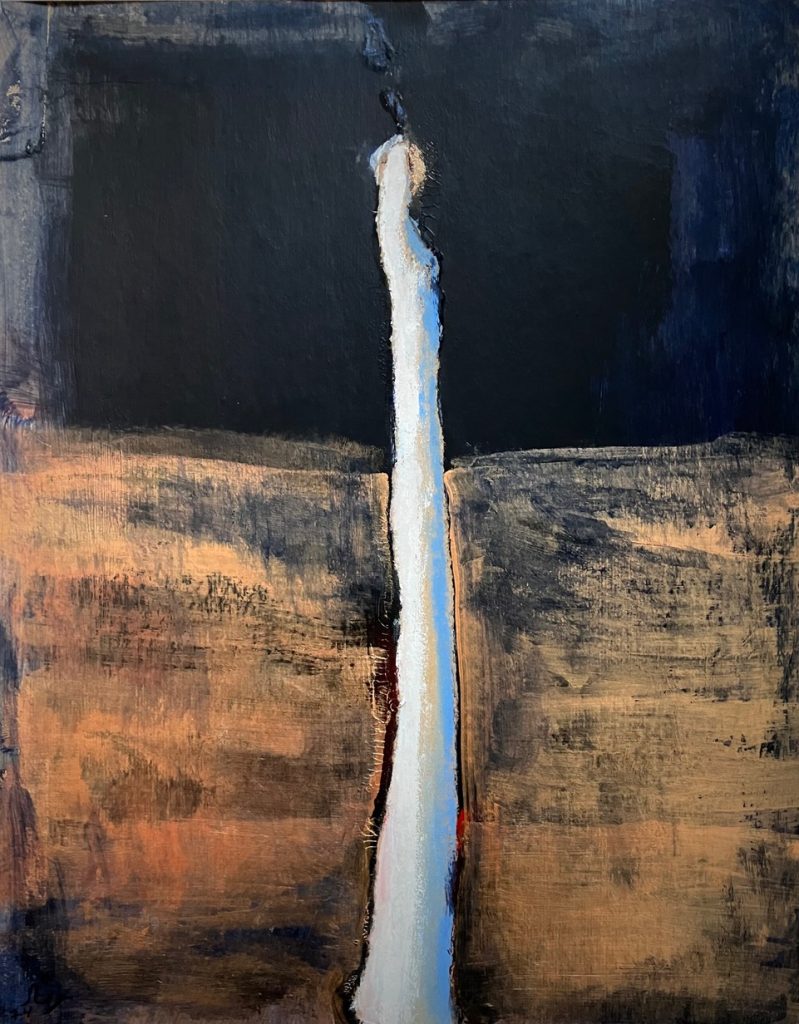
Farshad Afsharimehr is a Luxembourg-based artist and graphic designer. Born in Tehran, Iran, Farshad's passion for art developed at a young age and has been nurtured throughout his life. He left his home country during the Iran-Iraq war and emigrated to Belgium, where he pursued his passion at the Académie Royale des Beaux-Arts de Liège and graduated in 1992 in Peinture de Chevalet and Photography. His current work blurs the boundaries between the real and surreal, with his landscape paintings often taking the viewer to a silent and mysterious journey. As part of the Empowering Creative Minds project, Douri asbl invited Afsharimehr for an interview to discuss his artistic practice – from hardship as inspiration to music as an emotional tool.
Douri: What key milestones have shaped your creative journey from the beginning until now?
Farshad Afsharimehr: Iranian Revolution in 1979; Iraq-Iran war 1981; 1986 exile to Belgium; 2000 move to US; 2008 move to Qatar; 2014 move to Luxembourg.
Has your upbringing and personal experiences influenced your artistic direction?
Yes, most of my artistic output is based on my upbringing and personal experience.
Have you found that challenging experiences have impacted your creative process or influenced your artistic path?
Most of the time, challenging experiences feed my artistic inspirations.
How has your creative practice helped you process or move through difficult experiences?
Art is the only way of dealing with my emotions during difficult times.
Do you believe that art can express emotions and experiences that are hard to articulate in words?
As mentioned above, art is the only way to help me express my emotions. Of course, words are also art for some people.
What are some challenges artists face when expressing personal or traumatic experiences through their work?
Artists could be judged for their works, and that could sometimes be difficult.
Has your approach to expressing painful or difficult experiences changed over time?
For me, that approach has always been the same.
How do you interpret the term “vulnerable artist” in the context of your own experience?
I have never experienced myself as a vulnerable artist, rather as a vulnerable human being.
What role have collaboration and partnerships played in your artistic journey?
I have never collaborated with anyone in my artistic journey.
How has your relationship — or lack of connection — with your community shaped how you address themes such as hardship or trauma in your work?
I have never counted on my community to deal with issues such as trauma.
What does it mean to you when your art resonates with or impacts others?
My paintings relate to me and my life experience, and if that resonates with someone else’s experience, that would be great. But it is not something that I look for intentionally.
In your view, how does the local cultural or societal context influence how you express trauma, or how audiences receive your work?
Local culture has no impact on how I express myself through my work.
How do you see the role of institutions — such as theatres, publishers, galleries, or museums in shaping the landscape of art and creativity?
Art would not go far without these institutions.
Do you think being part of these circles affects how artists view the value of their own work or their place in the field?
Yes, of course, it helps.
Would you consider choosing to engage with or step away from these institutions a personal decision?
I can see myself being part of those institutions.
What types of support do you consider essential for sustaining your artistic practice and expanding your social engagement?
Getting inspired by different artists – or any funding opportunities.
What kind of institutional support would make a meaningful difference in your experience as an artist?
Any type of support could help.
Have you faced difficulties in accessing the support you need?
I have not personally received any support other than the affordable rent of my studio through the commune of Differdange.
Do you have any messages or recommendations you'd like to share with organizations or institutions that support the arts?
My message to all institutions is to give a chance to all artists regardless of their popularity or expertise rather than just to promote known artists.
Do you incorporate practices like meditation or other reflective tools into your creative process? How do you integrate them?
Music is the only tool I use to connect with my inner soul.
How do you view the role of technology and social media in sharing your work and expanding engagement with the issues you explore?
Personally, I prefer to use my time for creating rather than engaging with others. The process of creating and sharing require different skills.
What are your artistic aspirations for the future? Are there any current or upcoming projects you’re excited about?
In September 2025, I am exhibiting in an exhibition organised by the commune of Differdange. This is my next objective for now.
Thank you Farshad Afsharimehr for this interview.
The Empowering Creative Minds project is funded by the EU Creative Europe Programme, supporting cross-cultural collaboration and artistic growth across Europe.
